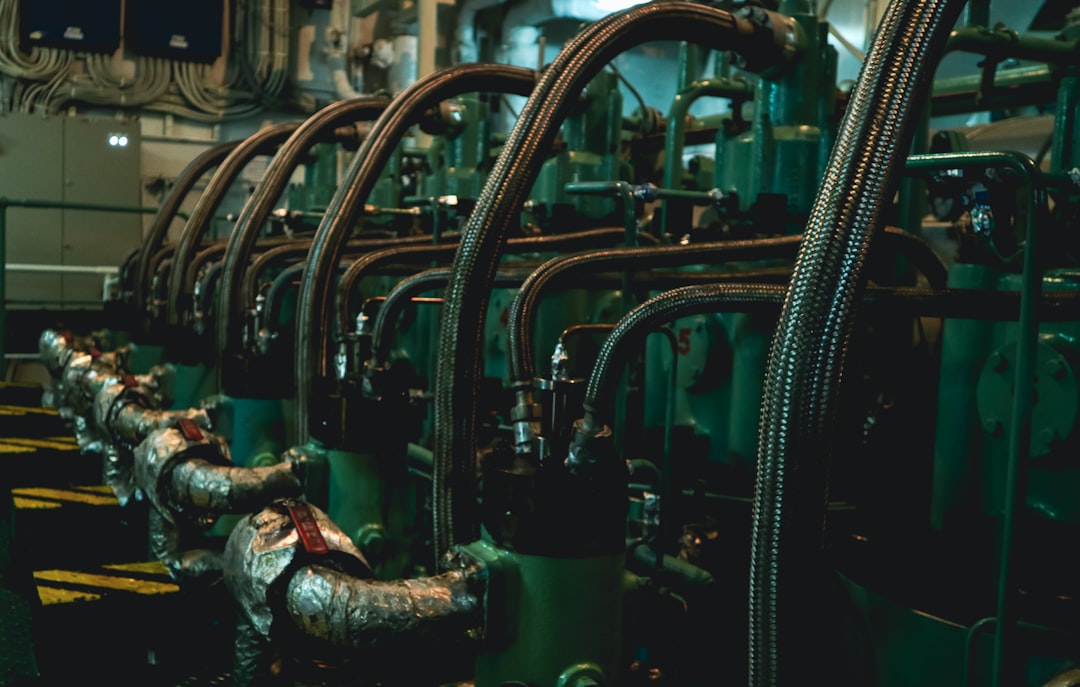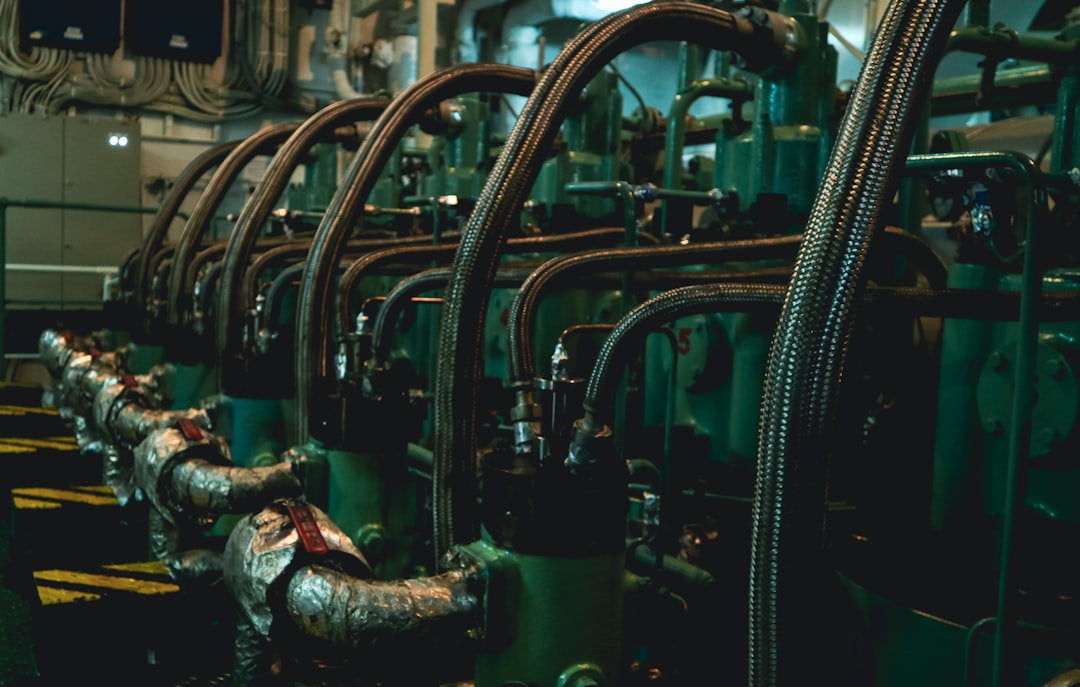
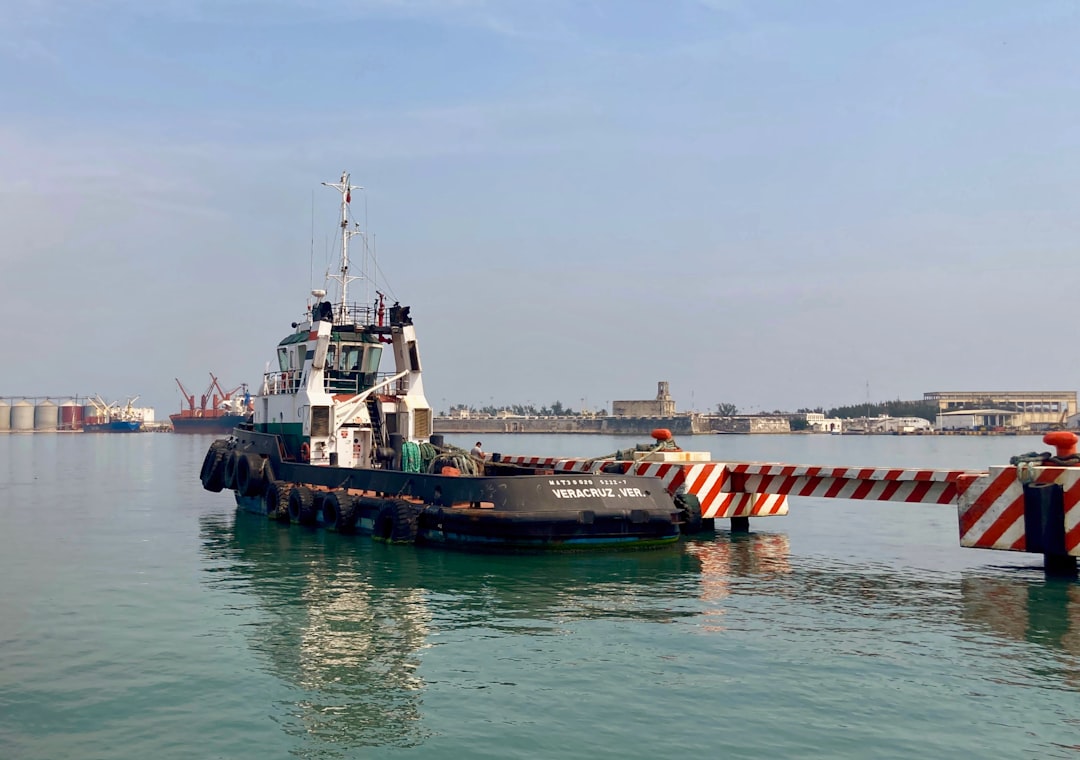

Yanmar spare parts for auxiliary engines on Gulf commercial vessels demand the same serial-number discipline applied to Caterpillar and MAN fleets, but with an added complication: Yanmar auxiliary engines on tugs, pilot boats, workboats, and OSVs are often installed in compact machinery spaces where access for routine maintenance is restricted and cooling circuit components face aggressive saltwater corrosion. The 6EY and 6AY medium-speed auxiliary series, along with the smaller 4TN and 6TN units, power gensets and deck machinery across the Gulf fleet. Sourcing the right parts for these engines requires knowing which components fail fastest under high-ambient, saltwater-cooled operating conditions, and having a supplier who can cross-reference part numbers across a mixed-brand fleet without delay.
Yanmar Auxiliary Engines in Gulf Tug and Workboat Applications
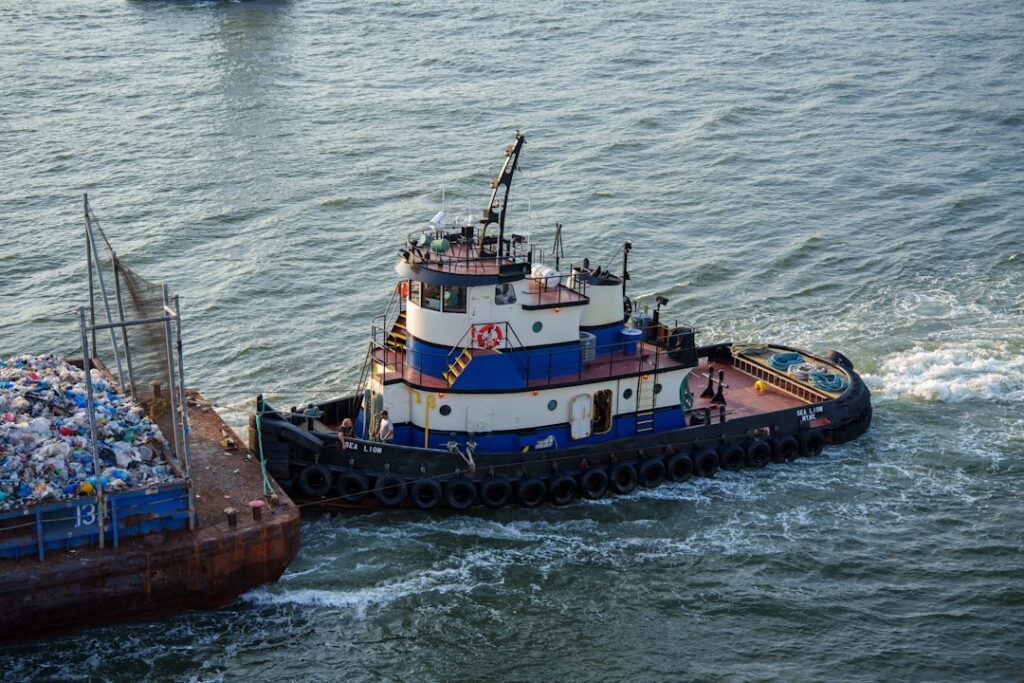
Yanmar auxiliary engines occupy a specific niche in Gulf commercial fleets: they are typically specified where compact footprint, favorable power-to-weight ratio, and reliable continuous-duty operation matter more than outright displacement. Harbor tugs, pilot boats, small OSVs, and workboats frequently carry Yanmar auxiliary gensets alongside larger main propulsion engines from Caterpillar, MAN, or other brands. This makes Yanmar auxiliaries common in mixed-engine rooms, where the chief engineer manages parts logistics across multiple brands simultaneously.
6EY Series: Medium-Speed Auxiliary Power
The 6EY series is Yanmar’s medium-speed auxiliary engine line, used for main shipboard power generation on vessels with substantial electrical loads. These engines are found on larger tugs and offshore vessels where the auxiliary genset runs continuously to support deck machinery, winches, and hotel loads. The 6EY series operates at medium speed, which places it between the high-turnover consumable world of smaller high-speed engines and the long-interval, high-value component cycle of low-speed main engines. Parts demand centers on fuel injection components, cylinder head assemblies, bearing sets, and cooling circuit elements.
6AY Series: Higher-Output Auxiliary Gensets
The 6AY series serves higher-output auxiliary applications on vessels requiring greater electrical capacity. On Gulf OSVs and larger workboats, the 6AY may function as the primary or secondary genset, running extended hours under load profiles that shift with operational mode: transit, standby, DP operations, or deck work. Under Gulf summer conditions where engine room ambient temperatures regularly exceed 45 degrees Celsius and seawater temperatures reach 35 degrees, the 6AY’s cooling circuit and lubrication system operate near the top of their design range. This accelerates wear on heat exchanger components, oil cooler elements, and bearing surfaces compared to temperate-climate operations.
4TN and 6TN Series: Compact Workboat and Pilot Boat Power
The 4TN (4-cylinder) and 6TN (6-cylinder) series are smaller Yanmar engines commonly fitted on pilot boats, harbor craft, and compact workboats where machinery space is at a premium. These engines may serve as both propulsion and auxiliary units on smaller vessels, and their compact installation means that service access is often constrained. Filter changes, impeller replacements, and fuel system servicing may require partial disassembly of adjacent components or restricted working angles, which increases labor time and makes having the correct part on the first attempt critical. A misordered filter or impeller that requires a return cycle can mean the difference between a scheduled maintenance window and an unplanned layday.
Most-Requested Yanmar Spare Parts in Gulf Service
Under Gulf operating conditions, five categories of Yanmar spare parts see the highest turnover: cylinder head components, fuel injection nozzles, lube oil filter elements, seawater pump impellers, and heat exchanger zinc anodes. These are the parts that chief engineers reorder most frequently, and they are the components most affected by saltwater exposure, high ambient temperatures, and variable fuel quality characteristic of Gulf bunkering.
Cylinder Head Components: Valves, Seats, and Gaskets
Cylinder head components, including intake and exhaust valves, valve seat inserts, valve guides, and head gaskets, are among the most ordered Yanmar spares for Gulf fleets. High combustion temperatures driven by elevated intake air and charge air temperatures accelerate valve face wear and seat recession. Exhaust valves are particularly vulnerable because high exhaust gas temperatures increase thermal stress on the valve head and seat interface. When ordering cylinder head components, the engine serial number and the specific head arrangement must be referenced, because different production runs within the same engine series may use different valve and seat specifications.
Fuel Injection Nozzles and Pumps
Fuel injection nozzles are high-turnover consumables on Yanmar auxiliary engines operating on Gulf fuel. Variable fuel quality across bunkering points in the region means that nozzle tip wear, carbon buildup, and spray pattern degradation occur more frequently than in regions with consistent fuel standards. On 6EY and 6AY series engines, injection nozzles should be inspected and replaced on a shortened interval relative to standard recommendations, particularly on vessels that bunker at multiple ports where sulfur content and contaminant levels vary. Fuel injection pump components, including plungers and barrels, are also affected by fuel quality and should be ordered with the engine serial number to ensure calibration match.
Lube Oil Filter Elements
Lube oil filter elements are the highest-frequency replacement item on Yanmar auxiliary engines. Under Gulf conditions, where lube oil operating temperatures run consistently near the top of the design range, oil oxidation and additive depletion accelerate, shortening effective filter life. A baseline 250-hour filter change interval may need compression to 200 hours or less depending on load profile, engine room temperature, and fuel sulfur content. The correct filter element must be cross-referenced against the engine serial number, because superseded part numbers are common across the 6EY and 6AY series. Our guidance on marine engine filter types and replacement covers the filtration principles and selection criteria relevant to these operating conditions.
Seawater Pump Impellers: The Fastest-Failing Saltwater Component

Seawater pump impellers are the single fastest-wearing component on Yanmar auxiliary engines in Gulf service. The raw-water cooling circuit on 6EY, 6AY, 4TN, and 6TN engines draws seawater directly, and Gulf waters carry salt content, suspended sediment, and biological matter that attack rubber impeller vanes. Impeller vane cracking, deformation, and breakage occur more frequently in warm, high-salt seawater than in temperate or brackish conditions. A failed impeller can go unnoticed until cooling water flow drops sufficiently to trigger a temperature alarm, by which point the heat exchanger and downstream components may already be compromised. Genuine Yanmar impellers with the correct shore hardness and material specification should always be used in saltwater circuits; aftermarket impellers with incorrect rubber compound or vane geometry can fail prematurely or shed fragments into the cooling system.
Heat Exchanger Zinc Anodes
Heat exchanger zinc anodes (sacrificial zincs) protect the tube-to-header joints and water-side surfaces of Yanmar heat exchangers and oil coolers from galvanic corrosion. In Gulf seawater, which is warmer and more saline than many temperate operating environments, zinc anodes deplete faster. An anode that lasts six months in cooler waters may be consumed in three to four months in Gulf summer conditions. Depleted zincs leave heat exchanger tubes unprotected, leading to pinhole corrosion, coolant contamination, and eventual cooler failure. Zinc anode replacement is inexpensive but must be scheduled proactively; waiting until an anode is fully consumed risks irreversible cooler damage. The anode specification (thread size, length, and material) must match the specific heat exchanger model, which varies by engine arrangement.
Yanmar vs. Other Auxiliary Brands: Parts Availability Comparison
For mixed-fleet operators running Yanmar auxiliaries alongside Caterpillar or MAN main engines, parts sourcing efficiency depends on how quickly each brand’s requirements can be consolidated and fulfilled. Yanmar’s auxiliary engine parts network in the Gulf is less densely stocked than the Caterpillar or MAN channels, which means lead times for certain components can be longer unless a supplier maintains active cross-brand inventory. The advantage of sourcing all auxiliary brands from a single Gulf-based supplier is that one quotation request covers every engine in the machinery space, with consolidated delivery to the vessel’s next port of call.
| Comparison Factor | Yanmar (6EY / 6AY / 4TN / 6TN) | Caterpillar (C18 / C32 / 3406 / 3412) | MAN (L16/24 / L21/31 / V28/33S) |
|---|---|---|---|
| Typical Gulf application | Auxiliary gensets on tugs, pilot boats, workboats, small OSVs | Main propulsion and auxiliary on larger OSVs, AHTS, crew boats | Four-stroke auxiliaries on larger vessels; two-stroke main engines |
| Parts stock density in Gulf | Moderate; some components require regional sourcing | High; Cat dealer network and Reman channel well-established | Moderate to high for four-stroke; two-stroke parts are longer lead |
| High-turnover parts focus | Impellers, zincs, filters, injection nozzles, head components | Aftercooler cores, turbo cartridges, HEUI/MEUI injectors, filters | Filter elements, charge air cooler parts, bearing shells, fuel pumps |
| Serial number reference requirement | Engine serial number and arrangement number | Engine serial number and arrangement number | Engine serial number and build report / parts catalog (CPC) |
| Single-supplier consolidation benefit | High: enables combined quotes with Cat and MAN requirements | High: see our Caterpillar marine engine spares coverage | High: see our MAN spare parts cross-reference guidance |
For a chief engineer managing a vessel with Yanmar auxiliaries and a Caterpillar main engine, or a fleet manager overseeing vessels with mixed Yanmar and MAN auxiliary installations, the ability to send one consolidated parts list and receive a single cross-referenced quotation reduces administrative overhead and eliminates the risk of parts arriving from multiple suppliers on different timelines. A tug awaiting both a Yanmar seawater pump impeller and a Caterpillar oil filter element should not have to manage two separate supplier relationships, two freight arrangements, and two delivery confirmations to get back to operations.
Maintaining Yanmar Auxiliaries Under Gulf Operating Conditions
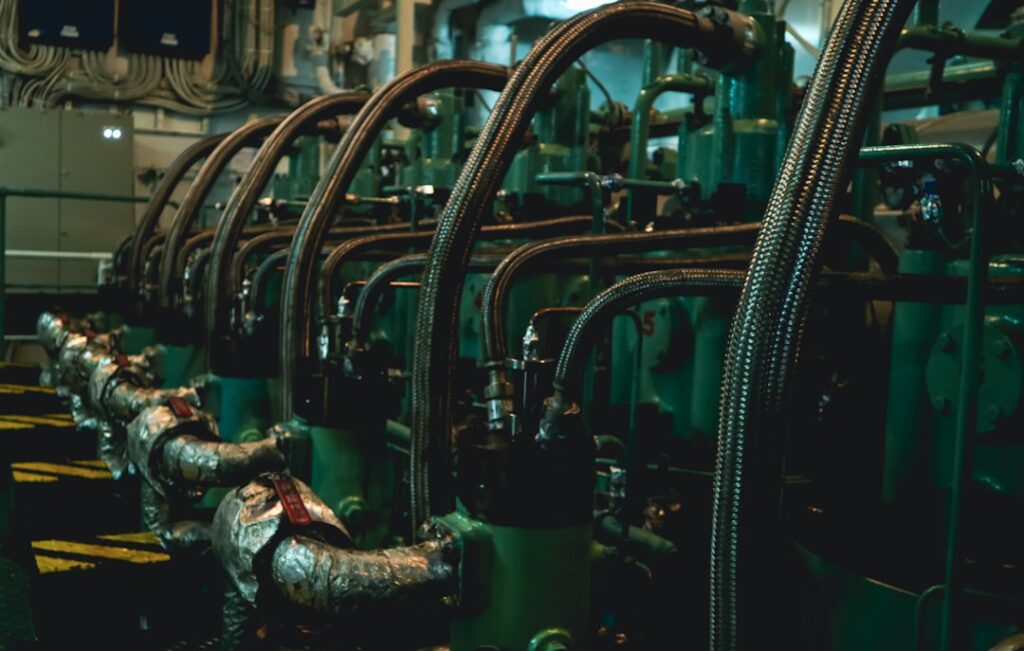
Gulf operating conditions shorten service intervals on Yanmar auxiliary engines across every major wear category. High ambient temperatures, warm and saline seawater, variable fuel quality, and dust-laden intake air (particularly during Shamal wind events) all contribute to accelerated component wear compared to temperate-climate baselines. The following practical notes help engineering teams adjust maintenance schedules and stocking strategies for Gulf-deployed Yanmar auxiliaries.
Service Interval Adjustments
Under Gulf severe-duty conditions, standard Yanmar service intervals should be compressed for several component categories. Lube oil filter elements may need replacement at 200 hours rather than the standard 250 hours. Seawater pump impellers should be inspected at every scheduled service and replaced at the first sign of vane cracking or deformation rather than waiting for the full replacement interval. Heat exchanger zinc anodes require inspection every two to three months during summer when seawater temperatures peak, with replacement when depletion reaches 50 percent or more. Fuel filter elements should be checked more frequently for water accumulation and microbial growth, which are accelerated in warm Gulf fuel systems.
Fuel Quality Considerations
Fuel quality across Gulf bunkering points varies in sulfur content, water contamination levels, and the presence of catalytic fines. For Yanmar auxiliary engines burning marine gas oil or marine diesel oil, these variations directly affect injection nozzle life, fuel filter service life, and combustion quality. Microbial contamination (diesel bug) is a recurring problem in warm fuel systems where water is present, and it can rapidly clog filter elements and corrode injection system components. Maintaining a fuel treatment regimen, including regular draining of water from day tanks and fuel filter housings, is essential. Procurement teams should ensure that fuel filter elements are stocked in quantities sufficient for accelerated replacement during periods of poor fuel quality.
Genuine Impellers and Seals in Saltwater Circuits
The use of genuine Yanmar impellers and mechanical seals in saltwater cooling circuits is not a preference, it is an engineering necessity. Aftermarket impellers with incorrect rubber compound or shore hardness fail faster in warm, high-salt Gulf seawater, and broken vane fragments can lodge in heat exchanger tubes, reducing cooling capacity and creating localized hot spots. Mechanical seals on seawater pumps must also match the original specification, because seal face material and elastomer compound are selected for the specific thermal and chemical conditions of the raw-water circuit. A substandard seal that leaks seawater into the bearing housing will destroy the pump bearing and potentially contaminate the lubrication system.
Multi-Brand Sourcing for Mixed-Fleet Operators
With 26 years supporting Gulf commercial fleets, zeemacgroup.com cross-references engine serial numbers and arrangement numbers across Yanmar, Caterpillar, and MAN before quoting. This prevents the misorders that cause costly return cycles, particularly for mixed-fleet operators who may be ordering Yanmar impellers, Cat filters, and MAN bearing shells in the same requisition cycle. Consolidated sourcing through a single supplier reduces purchase order volume, simplifies freight logistics, and ensures that all parts for a given maintenance window arrive together rather than trickling in across multiple supplier timelines.
Send Your Yanmar Part Numbers for Cross-Reference
Accurate Yanmar spare parts sourcing starts with the right information. Send us your engine serial number, arrangement number, and specific part number requirements for a same-day technical cross-reference and quotation. zeemacgroup.com supplies genuine Yanmar spare parts for the 6EY, 6AY, 4TN, and 6TN series, with delivery to Jebel Ali, Khalifa Port, Hamriyah Free Zone, and all major Gulf ports and shipyards.
For mixed-fleet operators, include your Caterpillar and MAN requirements in the same enquiry. Our team can consolidate a single quotation covering all auxiliary and main engine brands, confirm stock availability across the combined order, and arrange coordinated delivery to your vessel’s next port of call. Contact our marine spares team with your engine data plate information and current hour readings for the fastest and most accurate response.
Frequently Asked Questions
Which Yanmar auxiliary engine series are most common on Gulf commercial vessels?
The 6EY and 6AY medium-speed auxiliary series are common on larger tugs and OSVs, while the smaller 4TN and 6TN series are typically fitted on pilot boats, harbor craft, and compact workboats where machinery space is limited.
What Yanmar spare parts fail fastest under Gulf saltwater conditions?
Seawater pump impellers are the fastest-wearing components due to warm, high-salt Gulf seawater. Heat exchanger zinc anodes also deplete rapidly, often lasting only three to four months in summer conditions compared to longer intervals in temperate waters.
How often should Yanmar lube oil filters be changed in Gulf service?
Standard intervals of 250 hours may need to be shortened to 200 hours or less under Gulf severe-duty conditions, where high ambient temperatures accelerate oil oxidation and additive depletion. Engine room temperatures regularly exceeding 45 degrees Celsius contribute to shorter effective filter life.
Can I source Yanmar, Caterpillar, and MAN spare parts from a single Gulf supplier?
Yes. Consolidating auxiliary and main engine parts orders across Yanmar, Caterpillar, and MAN through one supplier reduces purchase order volume, simplifies freight logistics, and ensures all parts for a maintenance window arrive on a coordinated delivery timeline.
What information do I need to order Yanmar auxiliary engine parts correctly?
Provide the engine serial number and arrangement number from the engine data plate, along with the specific part number or component description. Different production runs within the same engine series may use different component specifications, so serial number-based cross-referencing is essential to avoid misorders.