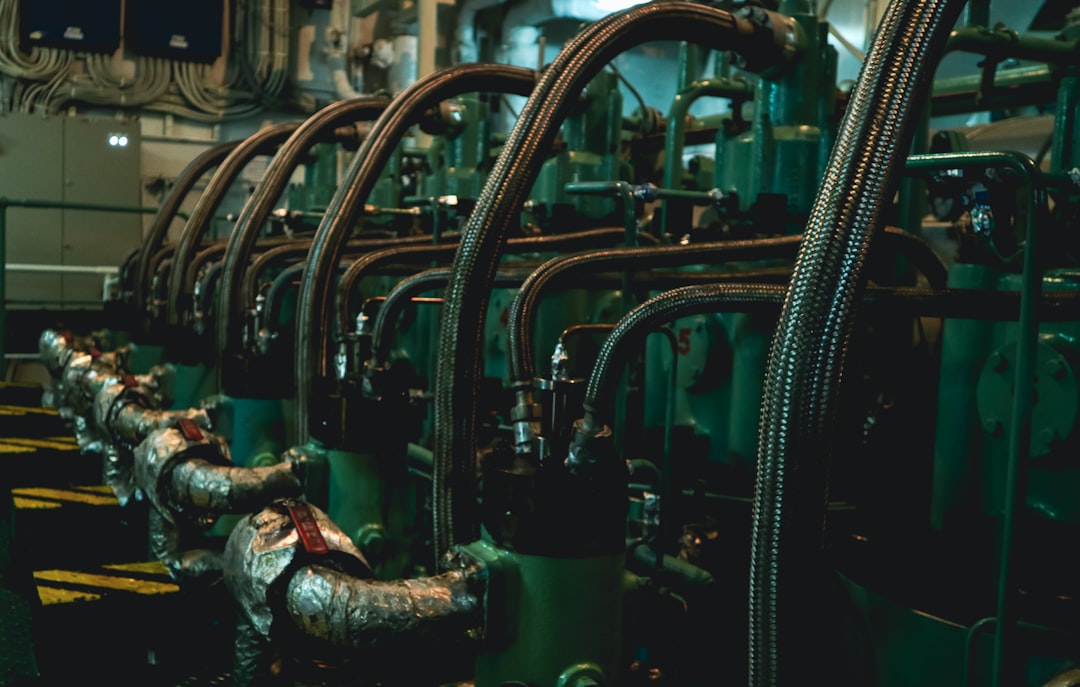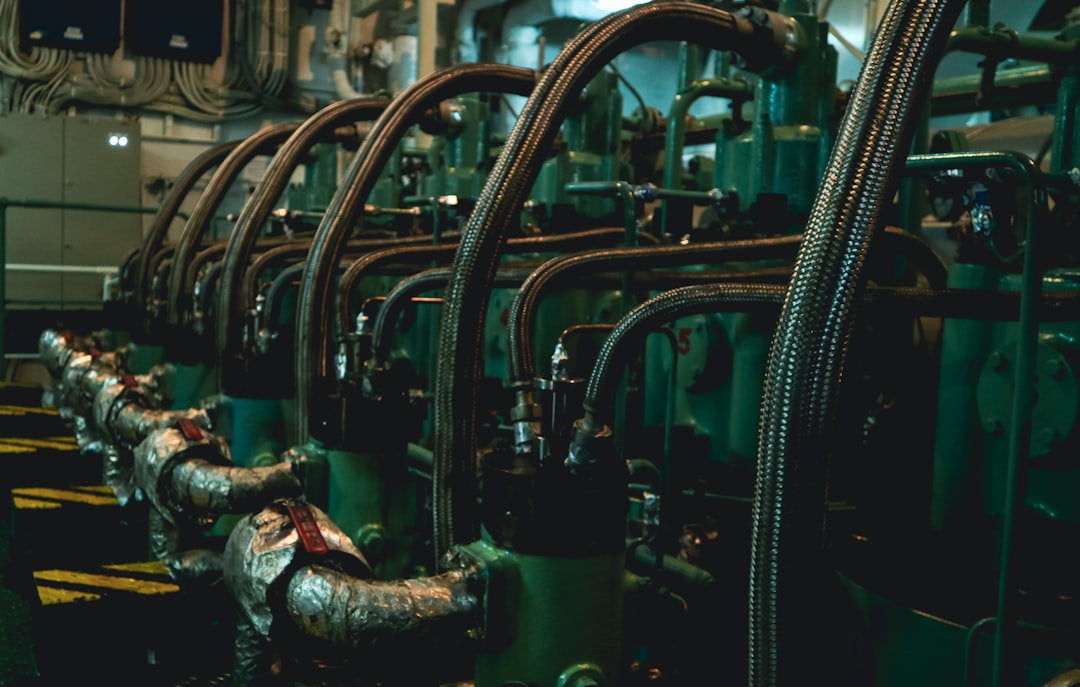

Marine Engine Filters are one of the simplest components in the machinery space, yet they influence fuel cleanliness, lubrication quality, airflow, hydraulic stability, and ultimately engine reliability. On working vessels operating in heat, salt spray, dust, and variable fuel conditions, poor filtration quickly shows up as injector wear, restricted oil flow, rising exhaust temperatures, hard starting, and unplanned downtime. This guide explains how marine filtration systems work, what each filter does, when replacement is due, and how to choose the right parts for commercial marine service.
Ship owners, fleet managers, chief engineers, and procurement teams usually focus first on major rotating equipment. In practice, however, filters are often the first line of defense for the engines, pumps, and hydraulic systems that keep a vessel operating. Zeemac Group’s marine and industrial filters portfolio reflects that reality, with solutions used across engine, hydraulic, and auxiliary applications. Readers looking at the wider maintenance picture may also find value in Zeemac Group’s About Us page and its broader range of marine spare parts and support capabilities.
What Are Marine Engine Filters?
Marine engine filters are protective components that remove contaminants from fuel, lubricating oil, intake air, coolant, hydraulic fluid, and other service streams before those contaminants can damage equipment. In marine duty, contamination control is not optional. It is a core part of engine protection, performance stability, and safe operations.
Each filter is designed around a particular fluid, flow rate, pressure range, and contamination target. A fuel filter traps rust, dirt, and water before fuel reaches pumps and injectors. An oil filter removes carbon, wear particles, and sludge from the lubrication circuit. An air filter stops airborne dust and salt-laden particles from entering the combustion process. Hydraulic filters protect valves, pumps, and actuators by maintaining fluid cleanliness. On many vessels, strainers and separator elements play the same protective role in seawater, bilge, and auxiliary systems.
Marine conditions place extra stress on filtration systems. High ambient temperatures accelerate oxidation. Salt spray promotes corrosion. Sand ingress is common in Gulf and port operations. Fuel quality can vary from bunkering port to bunkering port. Wärtsilä notes that marine fuels supplied to ships must be treated on board to remove both solid contaminants such as rust, sand, dust, and refinery catalysts, as well as liquid contaminants such as fresh or salt water, with fine filters installed after centrifuging or in the engine supply line. That is a practical reminder that the onboard marine filtration system is part of a layered contamination-control process, not a single disposable part.
Why Marine Engine Filters Are Critical
Marine Engine Filters are critical because they prevent contamination from becoming component damage. When filtration quality is poor, contamination moves directly into precision parts such as injectors, bearings, turbochargers, pumps, servo valves, and coolers. The result is not just reduced efficiency. It is accelerated wear and higher lifecycle cost.
Clean fuel supports stable injection pressure and cleaner combustion. Clean oil maintains lubricating film strength and helps control wear in bearings, liners, camshafts, and turbocharger bearings. Clean intake air protects compressor and cylinder surfaces from abrasive particles. Clean hydraulic fluid preserves response and seal life in steering gear, deck machinery, cranes, winches, and control systems. Even separator and seawater strainer maintenance has a direct effect on equipment protection because fouling can reduce cooling performance or allow debris to reach pumps and heat exchangers.
OEM guidance supports that focus. Caterpillar states that the primary fuel filter removes water and larger debris, while the secondary fuel filter captures fine particulates before fuel enters injectors, and warns that incorrect micron ratings, poor priming, or contamination during service can lead to fuel-system damage. MAN Energy Solutions also documents differential-pressure monitoring on automatic lube-oil filters to indicate clogging condition and protect filter cartridges. In other words, filtration condition is directly tied to alarm management and planned maintenance on modern engines.
Types of Marine Engine Filters
Marine Fuel Filters
Marine Fuel Filters remove dirt, rust, and water before fuel reaches injection equipment. In most systems, the primary stage handles larger contamination and water separation, while the secondary or final stage protects fine-tolerance components. This is especially important in modern high-pressure systems where injector clearances are extremely small.
Fuel filters are used on main engines, auxiliary engines, marine generators, and transfer systems. Common failure signs include loss of power, unstable RPM, hard starting, water in separator bowls, frequent alarm indications, and repeat injector issues after bunkering. Cat advises replacement at scheduled intervals, after contamination events, or whenever restriction indicators activate. On some Cummins marine engines, scheduled fuel and oil filter change intervals can extend to 500 hours, but the exact interval remains model-specific and must follow the engine manual.
Marine Oil Filters
Marine Oil Filters protect the lubrication system by removing soot, sludge, varnish precursors, and metallic wear particles from circulating oil. Full-flow filters protect the engine continuously, while bypass systems can remove finer particles over time. On medium- and high-duty installations, oil cleanliness has a direct effect on bearing life, ring and liner wear, and turbocharger reliability.
Oil filters are installed on propulsion engines, auxiliary engines, generators, and some gearbox or lube-oil conditioning circuits. Signs of trouble include rising differential pressure, dark contaminated oil, reduced oil flow, abnormal wear-metal trends in oil analysis, and high lube-oil temperature. Wärtsilä’s bypass filtration unit for four-stroke engines is designed to continuously improve oil quality, with published filtration performance for particles at and above 10 microns and element lifetimes up to 1500 hours in the stated application. That illustrates how filtration design affects service strategy.
Marine Air Filters
Marine Air Filters prevent dust, soot, and airborne debris from entering the combustion air path. In coastal and Gulf service, they also help reduce the effect of sand ingress and airborne contamination that can foul turbochargers, charge air coolers, and cylinder surfaces. Restricted airflow can reduce combustion efficiency and increase visible smoke.
Air filters are common on engines, generators, compressors, and ventilation systems. Signs of failure include black smoke, poor acceleration, increased fuel consumption, higher exhaust temperatures, and air restriction alarms. Filters should be replaced, not aggressively cleaned in ways that damage media. Caterpillar specifically notes that cleaning can damage filter media and allow harmful debris into the engine over time.
Marine Hydraulic Filters
Marine Hydraulic Filters maintain fluid cleanliness in steering gear, cranes, deck machinery, winches, hatch systems, and industrial hydraulic power units. Their job is to remove particles that cause pump scoring, spool sticking, seal wear, and loss of control accuracy.
Hydraulic filters can be installed on suction, pressure, return, or offline circuits. Common warning signs include sluggish actuator response, noisy pumps, pressure instability, overheating, and contamination seen in fluid analysis. Zeemac Group’s filtration range includes dedicated hydraulic solutions such as MP Filtri, which aligns well with applications where fluid cleanliness is central to uptime.
Coolant Filters
Coolant filters remove particulates from engine cooling circuits and, depending on system design, may help manage coolant chemistry. They are most often seen on diesel engines where cooling-system cleanliness is needed to protect water pumps, passages, and heat exchange surfaces.
Signs of replacement need include contaminated coolant, scaling, reduced heat-transfer efficiency, and recurring cooling-system maintenance issues. Cummins includes coolant filters in recommended service schedules on applicable equipment, reinforcing that cooling-system filtration is part of routine preventive maintenance, not a one-time item.
Sea Water Strainers
Sea water strainers are coarse protective devices installed ahead of pumps, coolers, and condensers in raw-water circuits. They are not fine filters, but they are essential in marine service because they block shells, seaweed, rust scale, and debris before those materials damage pump impellers or plug coolers.
They are used on main-engine cooling, auxiliary cooling, HVAC, and fire or ballast support circuits depending on vessel design. Signs of fouling include reduced cooling-water flow, high engine or jacket-water temperature, and increased suction losses. Inspection frequency should increase in silty, biologically active, or debris-heavy waters.
Bilge Filters
Bilge filters and related treatment components help manage contaminated bilge streams before discharge or transfer. Their design varies widely by system, but the basic purpose is to separate solids and oil-carrying contamination so downstream treatment equipment can operate correctly.
Failure signs include poor bilge system performance, separator fouling, alarms, and repeated maintenance on pumps or oily-water equipment. Because these systems interact with environmental compliance, replacement should follow the equipment manufacturer’s instructions and vessel procedures.
Separator Filters
Separator filters are used where water, oil, or fine solids must be separated from another fluid stream. In marine engine service, that commonly includes fuel-water separators, air-oil separators, and auxiliary treatment units. Their role is especially important where contaminated fuel or oil mist can affect safety, cleanliness, or compliance.
Wärtsilä states that its oil mist separating filter removes more than 99 percent of oil mist from crankcase ventilation gas in the stated application, reducing emissions and lowering the risk of slippery surfaces and fire-related hazards. That is a good example of how separator filtration can support both machinery protection and safer engine-room conditions.
How Marine Engine Filters Work
Marine engine filters work by forcing a contaminated fluid or air stream through a medium that captures particles, separates water, or screens larger debris while allowing the cleaned stream to continue to the protected component. The exact mechanism depends on the filter type, but the process follows the same basic logic.
First, the system draws fuel, oil, air, coolant, or hydraulic fluid from its source. Second, that flow passes through a filter element or strainer sized for the application. Third, contaminants are trapped according to particle size, media design, and flow pattern. Fourth, the cleaned fluid continues downstream to pumps, injectors, bearings, cylinders, actuators, or coolers. Finally, as contamination accumulates, differential pressure rises or flow capacity falls, signaling that service is due.
A simple example is a two-stage fuel system. The primary filter removes larger solids and separates water. The secondary filter then removes finer particles before fuel reaches the injection pump and injectors. A similar principle applies to lubricating oil. A full-flow oil filter protects the engine continuously, while a bypass filter can clean a smaller sidestream more finely and return it to the sump.
Common Signs That a Marine Filter Needs Replacement
The most reliable replacement trigger is the engine or equipment manufacturer’s schedule combined with condition monitoring. In day-to-day operations, however, several symptoms usually appear before a filter reaches total blockage.
Common signs include loss of engine power, poor fuel economy, black smoke, hard starting, unstable idling, rising exhaust temperature, dirty or degraded oil, restricted airflow, abnormal differential pressure, fuel contamination, water contamination, hydraulic sluggishness, and engine-room alarms. When these signs appear, the filter should be checked together with the wider system rather than changed blindly.
How Often Should Marine Engine Filters Be Replaced?
Replacement intervals depend on engine model, duty cycle, fuel quality, operating environment, and whether condition indicators or fluid analysis are used. There is no single interval that fits every vessel, which is why technical teams should treat OEM manuals as the baseline and operating history as the adjustment factor.
For example, Cummins publishes that some QSC marine engines are designed for up to 500 hours between scheduled fuel and oil filter changes, while Caterpillar emphasizes that actual fuel filter replacement may need to happen sooner when restriction indicators activate or after contamination events. In practical terms, fishing vessels, offshore support vessels, and harbor craft often see more variable conditions than vessels running long steady passages, so their filter service may need to be more frequent.
| Vessel or Duty Profile | Filter Strategy Guidance |
|---|---|
| Harbor craft and workboats | Inspect fuel-water separators frequently and shorten replacement intervals when bunkering quality varies. |
| Fishing vessels | Increase air and fuel filter checks in dusty, wet, and stop-start operating patterns. |
| Cargo ships on steady routes | Follow OEM operating-hour schedules and use differential pressure or oil analysis to optimize intervals. |
| Passenger vessels | Prioritize conservative replacement planning to reduce service interruptions and smoke-related complaints. |
| Offshore and heavy auxiliary loads | Monitor hydraulic, fuel, and lube-oil cleanliness closely because uptime and control-system reliability are critical. |
Consequences of Using Dirty or Low-Quality Filters
Dirty or low-quality filters increase risk in two ways: they either stop filtering effectively, or they restrict flow and starve the system they are supposed to protect. Both outcomes are expensive.
In fuel systems, poor filtration can damage transfer pumps, injection pumps, and injectors. In lubrication circuits, inadequate filtration accelerates wear in bearings, pistons, rings, cam surfaces, and turbochargers. In air systems, restricted or damaged filters can reduce airflow and contribute to smoke, poor combustion, and fouled turbocharger or charge-air components. In hydraulic systems, contamination can score pumps and cause unstable valve performance. The end result is often higher fuel consumption, avoidable downtime, emergency repair cost, and shorter engine life.
Cat specifically warns against using non-approved filters with incorrect micron ratings and against contamination during installation. MAN’s use of differential-pressure alarms on lube-oil filters also shows that a clogged filter is not a minor issue. It is a monitored equipment condition.
OEM vs Aftermarket Marine Filters
OEM and aftermarket filters both have a place in marine procurement, but the decision should be based on compatibility, proven performance, warranty implications, and supplier credibility rather than unit price alone. For critical engines, many operators prefer OEM or OEM-equivalent filters from well-established brands with clear technical data.
| Factor | OEM Filters | Aftermarket Filters |
|---|---|---|
| Quality control | Built to engine-maker requirements and validated for the application | Varies by manufacturer; must be verified carefully |
| Performance consistency | Usually strong fit with published engine requirements | Can be excellent if sourced from reputable filtration brands |
| Warranty alignment | Generally safest option for warranty-sensitive equipment | May require additional confirmation depending on engine policy |
| Price | Often higher initial purchase price | Can offer savings, especially in large-volume maintenance programs |
| Availability | May depend on dealer stock and lead time | Can be more flexible when backed by a strong supplier network |
| Compatibility risk | Low when the correct part number is used | Higher if cross-reference data is incomplete or unverified |
| Maintenance planning | Simple for standard fleet specifications | Useful when managing mixed brands and older equipment |
How to Choose the Right Marine Engine Filter
The right marine filter is the one that matches the engine or system specification, operating conditions, and maintenance objective. Part-number accuracy is only the starting point. Engineers should also look at micron rating, flow capacity, collapse strength, seal material, pressure characteristics, and media quality.
Start with the OEM manual and exact engine model. Then confirm whether the filter is primary, secondary, full-flow, bypass, pressure-line, or return-line duty. Check the micron requirement and water-separation performance where relevant. Review whether the vessel operates in hot climates, dusty terminals, high-sulfur history, salt-laden atmospheres, or heavy cyclic loads. Finally, choose a supplier that can support cross-reference checks, technical advice, and genuine brand sourcing across filtration and related engine filtration solutions.
If you are reviewing a broader maintenance package, zeemacgroup.com can help with filtration selection alongside generators, valves, electrical items, batteries, and marine engine spare parts, helping procurement and technical teams consolidate sourcing without sacrificing fitment accuracy.
Best Practices for Marine Filter Maintenance
Good filter maintenance is mostly about discipline. Clean working practices, correct intervals, and proper installation prevent many of the repeat failures seen after routine service. The best results come when replacement is planned, recorded, and verified instead of treated as a last-minute consumable change.
Inspect filters and separators regularly for restriction, leaks, water accumulation, and housing damage. Replace elements on schedule or when condition indicators show rising differential pressure. Clean the surrounding area before opening any fuel or oil housing so contamination is not introduced during service. Use the correct gasket, lubricate seals where specified, prime fuel systems properly after replacement, and check for leaks after startup. Store spare filters in clean, dry packaging away from moisture and direct contamination. Track running hours, bunkering issues, oil analysis trends, and alarm history to refine your replacement plan.
If you are seeing repeated contamination alarms, unusual wear, or uncertain part-number matching, zeemacgroup.com can help review the application and support a technically correct quotation for genuine marine filtration solutions.
Frequently Asked Questions
What does a marine fuel filter do?
A marine fuel filter removes solids and, in many systems, separates water before fuel reaches pumps and injectors.
How often should marine oil filters be replaced?
They should be replaced according to the engine manufacturer’s operating-hour schedule or sooner if differential pressure, oil analysis, or contamination indicates service is needed.
Can dirty filters damage marine engines?
Yes. Dirty or damaged filters can either pass contamination downstream or restrict flow enough to harm injectors, bearings, turbochargers, and pumps.
What happens if a fuel filter becomes clogged?
The engine may lose power, start poorly, run unevenly, or trigger restriction alarms because fuel flow is reduced.
Are OEM filters worth the extra cost?
For critical engines and warranty-sensitive applications, OEM filters or proven OEM-equivalent filters often justify the cost through compatibility and predictable performance.
How do I know which filter fits my engine?
Use the exact engine model, serial number, and OEM part reference. Cross-referencing should always be verified by a knowledgeable supplier.
Do marine air filters affect fuel consumption?
Yes. Restricted airflow can reduce combustion efficiency and contribute to smoke and higher fuel use.
Why is water separation important in marine fuel filtration?
Water in fuel promotes corrosion, poor combustion, and damage to precision injection components.
Should filters be changed after fuel contamination?
Yes. OEM guidance from Caterpillar recommends replacing fuel filters after known contamination events and checking the full system for remaining debris or water.
What is the safest replacement strategy for mixed fleets?
Use approved brand and part-number controls, keep maintenance records by asset, and source through a supplier that can validate cross-references and availability quickly.
Conclusion
Marine Engine Filters are small components with a disproportionate effect on engine life, operating cost, and vessel reliability. Fuel, oil, air, hydraulic, coolant, and auxiliary filtration each protect a different part of the system, but all of them support the same outcome: cleaner operation, lower wear, fewer failures, and more predictable maintenance planning.
For ship owners and marine engineers, the practical lesson is straightforward. Follow OEM guidance, monitor contamination indicators, avoid low-quality substitutes, and treat filter replacement as preventive maintenance rather than consumable housekeeping. Sourcing high-quality marine engine filters from experienced suppliers like zeemacgroup.com supports better reliability, lower downtime risk, and stronger long-term engine performance across commercial marine operations.
For technical advice, part-number cross-reference, and genuine marine filtration solutions for your fleet, contact zeemacgroup.com and request a quotation aligned to your engine model and operating profile.