
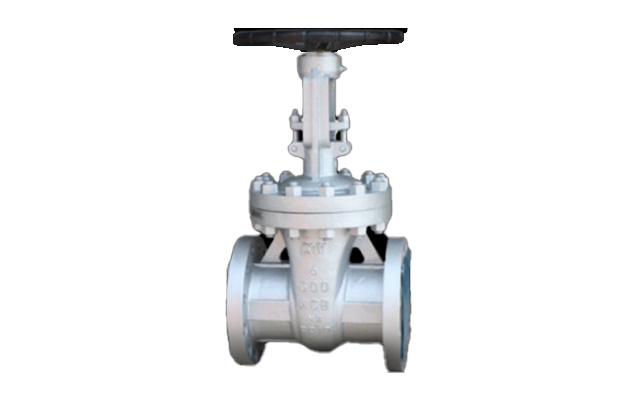
Gate Valve Supplier in UAE
Zeemac Group supplies gate valves in the UAE for marine, industrial, offshore, oil and gas, water, and pipeline applications. Gate valves are primarily designed for fully open or fully closed service, providing reliable flow isolation with minimal obstruction when open.
As one of the gate valve suppliers serving Dubai and the UAE, Zeemac Group supports engineers, shipyards, contractors, maintenance teams, and procurement professionals in sourcing gate valves based on application requirements, valve size, material, pressure rating, connection type, and operating conditions.
What Is a Gate Valve?
A gate valve is an isolation valve that controls fluid flow by raising or lowering a gate inside the valve body. When fully open, the gate moves out of the flow path, allowing fluid to pass through with relatively low flow resistance. When closed, the gate forms a barrier that isolates the pipeline or equipment.
Gate valves are widely used where full-bore flow and dependable shut-off are required. They are commonly found in marine piping, water systems, oil and gas installations, industrial pipelines, utilities, and process applications.
Gate valves are generally intended for on/off isolation rather than throttling or regulating flow.
How Does a Gate Valve Work?
A gate valve operates by moving a gate or wedge vertically into or out of the fluid flow path.
When the handwheel or actuator is operated, the valve stem moves the gate. Raising the gate opens the flow passage, while lowering it closes the passage and isolates the line.
In the fully open position, the gate is withdrawn from the main flow path. This provides a relatively unobstructed passage and helps minimize pressure loss across the valve.
The main components typically include:
- Valve body
- Bonnet
- Gate or wedge
- Stem
- Seat
- Packing and sealing components
- Handwheel, gearbox, or actuator
The exact construction varies according to the valve design, material, pressure class, operating method, and intended application.
Gate Valves for Marine Applications
Gate valves are commonly used aboard vessels and in marine facilities where sections of piping need to be reliably isolated.
Depending on the valve material, design, pressure rating, and system requirements, gate valves may be used in applications such as:
Ballast Systems
Gate valves can provide isolation within ballast water piping, allowing sections of the system or connected equipment to be isolated when required.
Bilge Systems
In appropriate bilge piping arrangements, gate valves may be used where full-flow isolation is required. Valve selection should consider the applicable marine requirements and system design.
Seawater and Cooling Water Systems
Correctly specified gate valves can be used to isolate seawater and cooling-water lines. Material selection is particularly important because seawater can create demanding corrosion conditions.
Fuel and Lubrication Systems
Suitable gate valve designs may be used for isolation in fuel oil and lubrication piping, subject to compatibility with the fluid, operating temperature, pressure, and applicable safety requirements.
Freshwater Systems
Gate valves can provide straightforward isolation in freshwater distribution and utility piping systems.
Engine Room and Auxiliary Piping
Marine engine rooms contain multiple piping networks that require safe isolation for operation, inspection, and maintenance. Properly selected gate valves can form part of these isolation arrangements.
The correct valve should always be selected according to the fluid, pressure, temperature, material compatibility, connection standard, installation environment, and applicable vessel or project requirements.
Industrial Gate Valve Applications
Beyond marine environments, gate valves are widely used for isolation across industrial and infrastructure systems.
Typical applications may include:
- Oil and gas pipelines
- Petrochemical facilities
- Water supply and distribution
- Water treatment plants
- Utility networks
- Power generation
- Manufacturing facilities
- Process piping
- Firewater systems where the specified valve design is appropriate
- Commercial and industrial infrastructure
Because a fully open gate valve provides a relatively unobstructed flow path, it is particularly useful in systems where low flow restriction and full-line isolation are important.
Types of Gate Valves
Different gate valve designs are available for different operating conditions. Understanding the design differences is important when selecting a valve.
Rising Stem Gate Valve
In a rising stem gate valve, the stem visibly rises as the valve opens.
This provides a clear visual indication of valve position and can be useful where operators need to determine whether the valve is open or closed quickly.
However, sufficient vertical installation space is required for stem movement.
Non-Rising Stem Gate Valve
A non-rising stem design operates without the stem extending significantly upward as the valve opens.
Its compact configuration can be advantageous where vertical installation space is limited.
Wedge Gate Valve
Wedge gate valves use a wedge-shaped closing element that moves between the valve seats to provide isolation.
Different wedge configurations may be selected depending on service conditions and valve design.
Parallel Gate Valve
Parallel gate valves use a gate arrangement with parallel sealing surfaces. Their design and suitability differ from wedge gate valves and should be evaluated according to the application.
Knife Gate Valve
Knife gate valves use a thin gate designed to cut through or move through media that may contain suspended solids, slurry, pulp, or similar materials.
A knife gate valve is not simply interchangeable with a conventional gate valve. The correct type depends on the media and operating conditions.
Gate Valve Materials
Material selection has a major impact on valve performance, corrosion resistance, service life, and suitability for the operating environment.
Common gate valve materials may include:
Cast Iron
Cast iron gate valves are commonly associated with water and general utility applications where operating conditions fall within the valve’s design limitations.
Ductile Iron
Ductile iron offers improved mechanical characteristics compared with conventional cast iron and is commonly considered for water, utility, and industrial piping applications.
Carbon Steel
Carbon steel gate valves are widely associated with industrial applications involving higher pressures and temperatures, depending on the valve design and specification.
Stainless Steel
Stainless steel gate valves may be selected where enhanced corrosion resistance, cleanliness, or compatibility with particular process fluids is required.
Bronze
Bronze valves have a long history of use in marine and seawater-related applications because suitable bronze alloys can offer useful corrosion resistance in marine environments.
The appropriate material cannot be selected based on the valve type alone. Engineers and buyers should consider the media, corrosion conditions, pressure, temperature, velocity, piping material, applicable standards, and operating environment.
How to Choose the Right Gate Valve
Choosing a gate valve involves more than matching the nominal pipe diameter.
Before requesting a quotation, consider the following factors:
Application: Identify whether the valve will be used for marine, offshore, water, oil and gas, industrial, or another service.
Media: Specify what will flow through the valve, such as freshwater, seawater, oil, gas, or another process fluid.
Valve Size: Confirm the required nominal pipe and valve size.
Pressure Rating: Select a valve designed for the system’s maximum operating and design pressure.
Operating Temperature: Confirm that the body, trim, seat, packing, and sealing materials are suitable for the expected temperature range.
Body and Trim Material: Material compatibility is essential, particularly in corrosive marine or industrial environments.
End Connection: Determine whether the piping system requires flanged, threaded, welded, or another suitable connection.
Operating Method: Gate valves may be manually operated or configured with gearboxes or actuators depending on size, accessibility, and automation requirements.
Applicable Standards: Identify any required design, testing, dimensional, flange, marine class, or project-specific standards before ordering.
Providing these details helps a gate valve supplier identify a more appropriate valve configuration for the intended service.
Gate Valve Technical Options
Gate valves are available in many configurations. Exact specifications depend on the manufacturer, valve design, and application.
| Parameter | Common Industry Options | Selection Consideration |
|---|---|---|
| Valve design | Wedge, parallel, rising stem, non-rising stem | Application and installation requirements |
| Body material | Cast iron, ductile iron, carbon steel, stainless steel, bronze | Media and corrosion conditions |
| Operation | Handwheel, gearbox, actuator | Valve size and operational requirements |
| Connection | Flanged, threaded, welded depending on design | Existing piping specification |
| Pressure rating | Varies by valve design and standard | System design pressure |
| Size | Available across multiple nominal sizes | Pipeline dimensions and flow requirements |
| Service | Water, marine, oil and gas, industrial applications | Material and design compatibility |
Final specifications should always be confirmed against the required project datasheet and the selected manufacturer’s technical documentation.
Gate Valve vs Globe Valve: What Is the Difference?
Although gate valves and globe valves can appear in similar piping systems, they perform different primary functions.
| Feature | Gate Valve | Globe Valve |
| Primary purpose | Isolation | Isolation and flow regulation |
| Flow path when open | Relatively unobstructed | More directional change through valve |
| Throttling suitability | Generally not recommended | Better suited to throttling |
| Pressure drop | Typically lower when fully open | Typically higher |
| Typical use | Full open/full closed service | Flow control and shut-off |
A gate valve is generally preferred when full-flow isolation with relatively low resistance is required. A globe valve is often more appropriate when the application requires frequent flow regulation or throttling.
Gate Valve vs Ball Valve
Both gate valves and ball valves can provide pipeline isolation, but their operating mechanisms differ.
A gate valve uses a vertically moving gate to open or close the flow path. A ball valve uses a rotating ball with a bore through its center.
Ball valves typically provide quick quarter-turn operation, while gate valves generally require multiple turns to move between fully open and fully closed positions.
Selection depends on factors such as operating frequency, valve size, pressure, media, required shut-off characteristics, installation conditions, and project specifications.
Why Should Gate Valves Not Normally Be Used for Throttling?
Gate valves are designed primarily for fully open or fully closed operation.
Operating a conventional gate valve partially open for extended periods can expose the gate and seating surfaces to high-velocity flow, turbulence, vibration, and erosion. This may contribute to premature wear and reduced sealing performance.
Where regular flow regulation is required, a valve specifically designed for throttling—such as an appropriate globe valve or control valve—is generally a better choice.
Gate Valve Supplier in UAE
Zeemac Group supports customers sourcing gate valves in the UAE for marine, offshore, industrial, utility, and infrastructure requirements.
Buyers selecting a gate valve should consider more than availability alone. Correct valve selection depends on matching the valve design and materials to the actual operating conditions.
When submitting an enquiry, providing the required size, material, pressure rating, end connection, media, quantity, operating conditions, and applicable standards can help identify the correct product more efficiently.
Gate Valve Supplier in Dubai
For shipyards, marine companies, contractors, industrial facilities, maintenance teams, and procurement departments looking for a gate valve supplier in Dubai, Zeemac Group provides sourcing support based on project and application requirements.
Gate valve requirements can vary considerably between seawater piping, freshwater systems, oil service, industrial pipelines, and process applications. Technical specifications should therefore be reviewed before selecting or replacing a valve.
Zeemac Group serves customers in Dubai, Abu Dhabi, Sharjah, and across the UAE, supporting marine and industrial valve requirements.
Frequently Asked Questions About Gate Valves
What is a gate valve?
A gate valve is an isolation valve that opens and closes a pipeline by moving a gate vertically into or out of the fluid path. It is primarily designed for fully open or fully closed operation and provides a relatively unobstructed flow path when fully open.
What is a gate valve used for?
Gate valves are primarily used to isolate sections of piping or equipment. Depending on their design and materials, they are used in water systems, marine piping, oil and gas installations, utilities, industrial pipelines, and process applications.
Can gate valves be used on ships?
Yes. Properly specified gate valves can be used in marine piping systems for isolation duties. Applications may include ballast, bilge, cooling water, freshwater, fuel, lubrication, and auxiliary piping, depending on the valve material, design, system requirements, and applicable marine standards.
Can a gate valve be used for seawater?
A gate valve may be suitable for seawater service when its materials, trim, seals, design, and pressure rating are compatible with the operating conditions. Because seawater is corrosive, material selection is particularly important. The required valve should be evaluated against the vessel or project’s technical specifications.
What is the difference between a gate valve and a globe valve?
A gate valve is primarily intended for full-flow isolation, while a globe valve is better suited to applications requiring throttling or flow regulation. A fully open gate valve typically creates less flow restriction than a globe valve because its gate moves largely out of the flow path.
Should a gate valve be partially open?
Conventional gate valves should generally not be left partially open for throttling. Partial opening can expose the gate and seating surfaces to turbulence, vibration, and erosion. For applications requiring regular flow control, a valve designed for throttling is usually more appropriate.
What materials are commonly used for gate valves?
Common gate valve body materials include cast iron, ductile iron, carbon steel, stainless steel, and bronze. The appropriate material depends on the fluid, pressure, temperature, corrosion conditions, piping system, and applicable standards.
What is a rising stem gate valve?
A rising stem gate valve has a stem that moves upward as the valve opens, providing a visible indication of valve position. This design requires sufficient vertical clearance for the stem to rise.
What is a non-rising stem gate valve?
In a non-rising stem gate valve, the stem does not extend significantly upward during operation. This makes the design useful where installation space is limited, although valve position indication may differ from that of a rising stem design.
How do I select the correct gate valve?
Start by identifying the media, valve size, pressure, temperature, body and trim materials, connection type, operating method, application, and applicable standards. For marine projects, vessel specifications and any required class or project approvals should also be confirmed before selection.
Where can I source gate valves in the UAE?
Zeemac Group supplies and sources gate valves for marine and industrial requirements in Dubai, Abu Dhabi, Sharjah, and across the UAE. Buyers should provide detailed technical requirements so the appropriate valve configuration can be identified for the intended application.
Request a Quote for Gate Valves in UAE
Looking for gate valve suppliers in the UAE for a marine or industrial requirement?
Send Zeemac Group your valve specifications to help identify the appropriate product for your application.
For a faster and more accurate quotation, provide:
- Gate valve type
- Required size
- Quantity
- Body and trim material
- Pressure rating or class
- End connection
- Operating media
- Temperature requirements
- Manual or actuated operation
- Required standard or approval, if applicable
- Preferred brand, if specified
- Vessel or project details, where relevant
Contact Zeemac Group for assistance with gate valve requirements in Dubai and across the UAE, including technical product selection, sourcing, and quotation.
Explore Our Solutions
Maximize your fleet's efficiency and lifespan with top-quality marine filters